
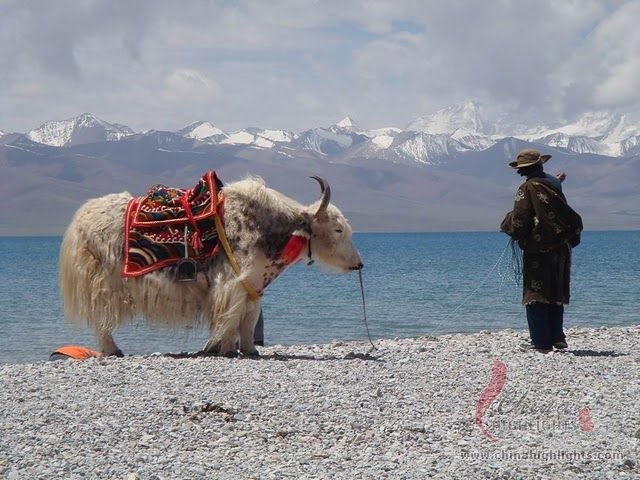
Summery
Tour Code:XZ-4
Departure Date: Daily
Features:  Private Tour Guide
  Private Car & Driver
  Authentic Local Restaurants
We need at least 20 working days to apply the Tibet Travel Permit, so we recommend that you confirm the tour 30 days before your arrival in Tibet.
Tibet is the roof of the world. The trip will start from Lhasa; visit the famous commercial street Barkhor Street to feel Lhasa's traditional and modern religious culture. Then drive to Mount Everest base camp to feel the dream of mountain also visits the world highest altitude temple- Rongbuk Monastery.
Highlights
- Potala Palace
- Barkhor Street
- Norbulingka
- Yomdrok Lake
- Everest Base Camp
Tour Details
Upon your arrival, your guide is waiting for you in the arrival hall and ready to take you to the hotel we arranged for you before. Just sit back and relax. Your guide and the driver will do the rest.
- Meals: No Meals
- Hotels: Dhood Gu Hotel Lhasa

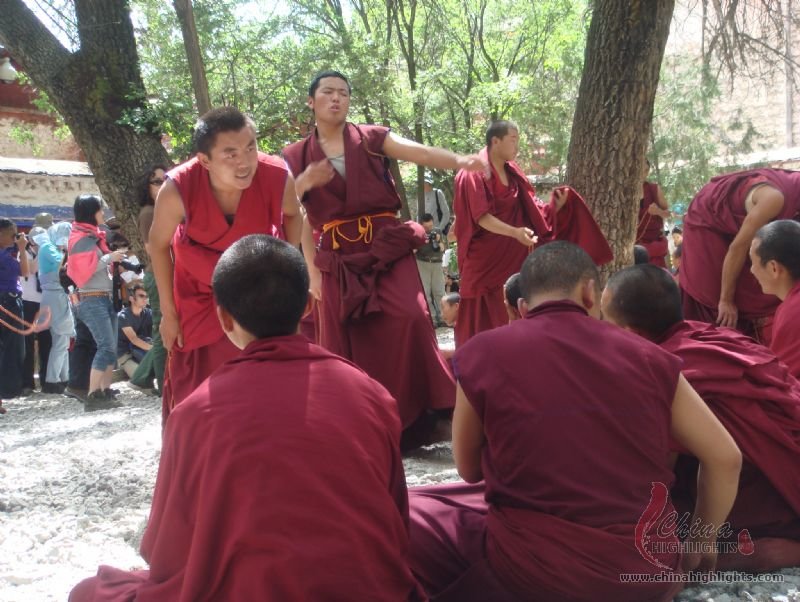
famous daily debates
After breakfast, we will visit Drepung Monastery. Stand in west of Lhasa under Mt. Gambo Utse and built in 1416, Drepung Monastery is one of the largest monasteries in the six principle monasteries of Gelu Sect in China, which there were once 10,000 monks. And then have a lunch at Lhasa Kitchen. In the afternoon, continue the trip to visit the Norbulingka, which was Dalai Lama's summer palace. And then, visit Sera Monastery where you will get the chance to experience “Buddhism Scriptures Debating” (except Mondays).
- Meals: Breakfast, Lunch at Lhasa Kitchen
- Hotels: Dhood Gu Hotel Lhasa
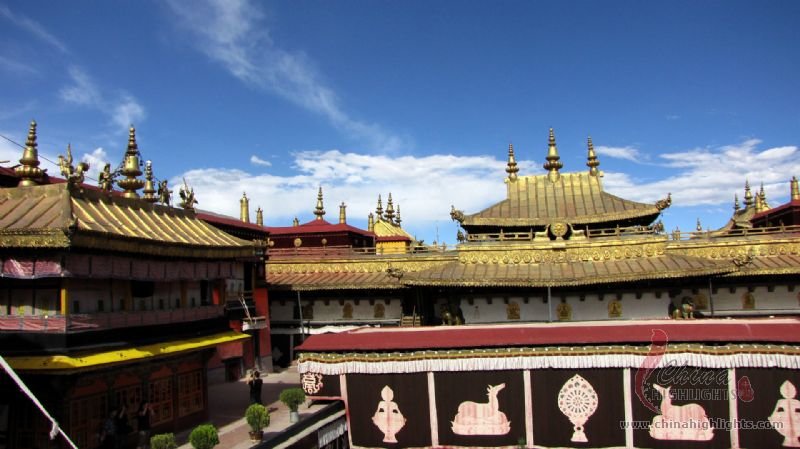
The Jokhang Temple
In the morning, we will visit Jokhang Temple, which is the first temple in Tibet and as the center city of old Lhasa. After have a lunch at local restaurant, we will come to the Barkhor Street which is built about 1,300 years ago and is the most famous commercial street in Lhasa. In the afternoon we will visit Potala Palace; it is Tibet largest and most beautiful palace which was the winter palace of Dalai Lama.
- Meals: Breakfast, Lunch at Kechu Hotel
- Hotels: Dhood Gu Hotel Lhasa
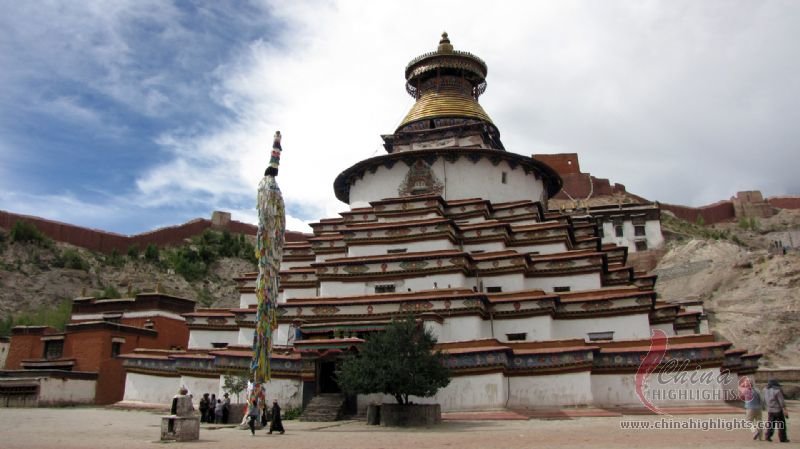
The Palgor Chorten
In the morning, we will drive to the Yomdrok Lake which is one of three most famous holy lakes in Tibet and the home of the “wrathful deities”. Visitors have free time to spend travel mond walk along the lake. After have a lunch at a local restaurant, continue to visit the Palgor Chorten (Palcho Monastery), it lies about 270 kilometers (168 miles) south of Lhasa and 100 (62 miles) east of Shigatse at the foot of Dzong Hill. This temple is very famous for its architectural style, paintings, and Buddhism statues.
- Meals: Breakfast, Lunch at Local Restaurant
- Hotels: Kdmanasaravor Hotel
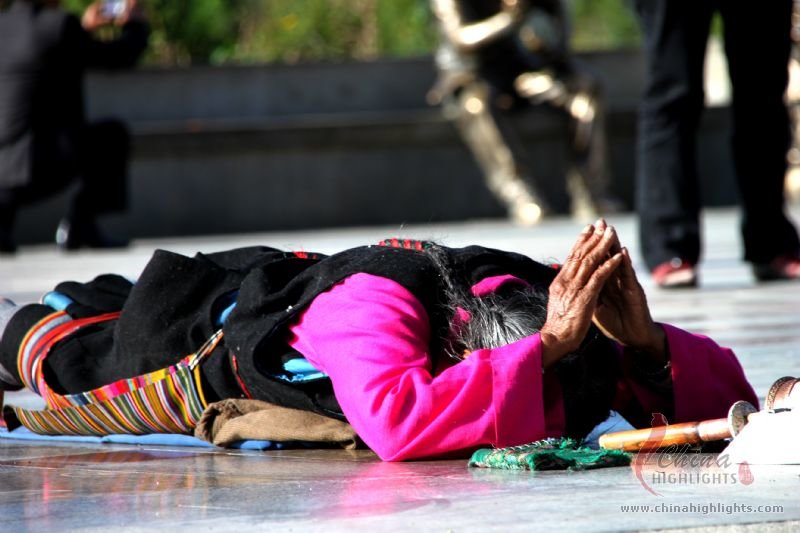
Tashilunpo Kloster
In the morning, visit Tashilhunpo Monastery which was founded in 1 447 by Gyalwa Gendun Drup (1st the Dalai Lama) and is a historically and culturally Important monastery in Tibet. We will see the biggest copper Buddhist statue in the world, which is used over 115,000 kg of copper. The building is painted in red and white, stand closely together in terraced rows, also can see many monks read the Scriptures in the building.
- Meals: Breakfast, Lunch at Popular local restaurants
- Hotels: Dingri Zhufeng Hotel
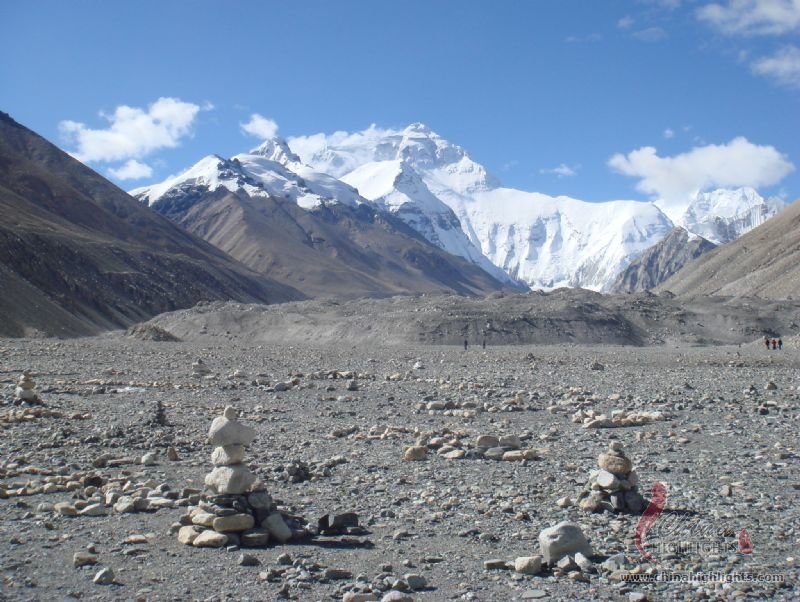
Mountain Everste
After breakfast, we will drive about 3.5 hours to Everest Base Camp. Mt. Everest, called Mount Qumulangma in Tibetan Language, is the highest peak of the Earth. The camp is at the height of 5,200m and people will stay the camp before climb to the peak of the Mount. And then we will visit Rongbuk Monastery which is the highest on earth at an altitude is 5,100 meters (16728 feet).The monks and nuns live the same Monastery.
- Meals: Breakfast, Lunch at Local Restaurant
- Hotels: Kdmanasaravor Hotel
You will be driven back to Lhasa from Shigatse for about 6 hours, so the most of the daytime will be on the road today. The limited restaurant options along the way mean that there is no choice available however your guide will organize the best available based on the season and the surroundings.
- Meals: Breakfast, Lunch at Popular local restaurants
- Hotels: Dhood Gu Hotel Lhasa
Your guide will wait for you in the hotel lobby at appointed time to escort you to the airport for your depature flight.
- Meals: Breakfast
Price Per Person
Price Includsion
- Entrance Fees to the Scenic Spots as Listed in the Itinerary
- Central Location Hotels
- Centrally Located Hotels with daily western & Chinese buffet breakfasts
- Authentic Chinese Food
- Private Cars and Drivers
- Private Guides
- Flights & Transfers in China
- Airport Taxes and Fuel Fees
- Service Charge & Government Taxes
- Travel Insurance
- Luggage Transfers
Price Exclusion
- International Airfare or Train Tickets to enter or leave China.
- China Entry Visa Fees
- Single Room Supplement
- Personal Expenses: such as laundry, drinks, fax, telephone calls, optional activities, sightseeing or meals which are not included in the tour itinerary
Guide and Vehicle
Excellent Local Guides
All the guides are base in local, well qualify and at least 3 years educated to obtain tour guide license, they are experienced and experts in Tibetan area with detailed knowledge about attractions, history, culture and more, which will provide you with the flexibility you want to get the most out of your trip.
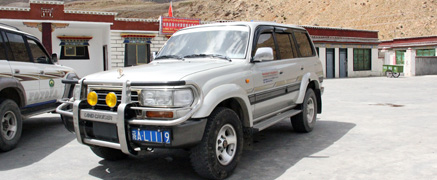
Cars and Drivers
We only use well-maintain air-conditioning and comfortable vehicles (not over 5 years) that suitable for sort of small group of 2-4 persons or group over 5 persons. Our divers can speak few English for simple communication, they are all over 5 years driving experience and well-training at deal with unpredictable weather and traffic situation.
Question and Feedback
Important Tibet Travel Tips
What things in China are best suited to children?
There are many things to do with children in China. We selected some interesting and popular activities for children in our family tours, which include Panda experience, Kungfu and Acrobatic show, Kite Flying, Chinese cooking class, kayaking, cycling on the City Wall and countryside and Cricket Culture.
How to get my Tibet travel permit?
Foreign visitors wishing to travel to Tibet must travel with a tour group with a guide and get Tibet Entry Permit with the help of the travel agent. To apply for a permit, you need to provide the following documents or information to us:
Tibet Travel Packing List
How to avoid altitude sickness.
In general, most healthy people will experience altitude sickness when travel into Tibet for at least two days. People will get sick and headache when in altitude over 3,000 meters (9,843 feet) is usually defined as high altitude. Since most places in Tibet are higher than this level, Acute Mountain Sickness (AMS), also called Altitude Sickness is the biggest health risk to tourists in Tibet. Lhasa sits at a heady 3,650 meters (11,500 feet), and it is one of the lower altitude destinations in Tibet. We suggest prepare far enough in advance before the trip by some aerobic exercise and a thorough physical examination is necessary.
The following precautions may help to prevent or lessen the effects of AMS: