
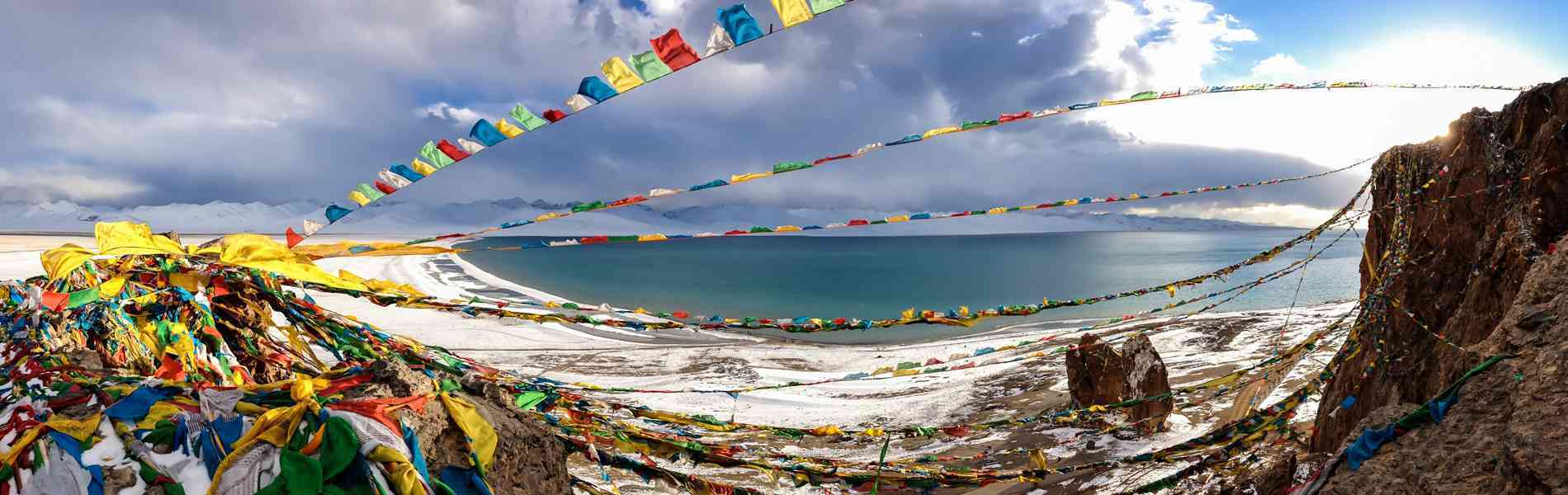
Explore Tibet
Tibet Autonomous Region lies in the southwest of China and in the Qinghai-Tibet Plateau. It is bounded to the north by Xinjiang Uygur Autonomous Region and Qinghai Province, to the east by Sichuan Province, to the southeast by Yunnan Province, to the south and west by these countries: Burma, India, Bhutan, Sikkim and Nepal. The region covers an area of around 1.22 million square kilometers, which accounts for 12.8% of the total of China Tibet Autonomous Region has very complex topography and falls into three geographic parts: the west, the south and the east. The west part, known as the North-Tibet Plateau, lies between Kunlun Mountain and Kangdese Mountain, and Tonglha Mountain and Nyainqentanglha Mountain.
Basic Datas
- Official Name: Xizang Zizhiqu
- Int'l long form: Tibet Autonomous Region (TAR)
- Etymological: the name Tibet is derived from the Sanskrit word Trivistapa which means "heaven."
- Best Time Travel: April to October
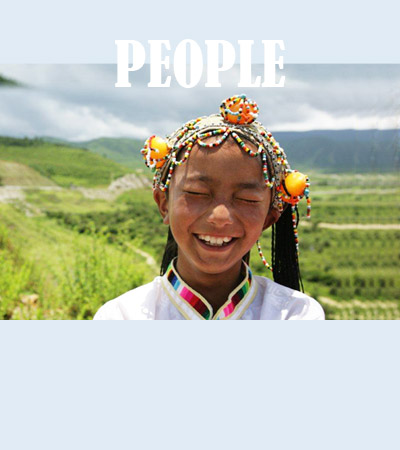
People
- Population: 2.62 million
- Ethnic Groups: Primarily ethnic Tibetans; Menba, Lhoba, Mongols, Hui and a growing
- Religions: Tibetan Buddhism, Animism.
- Culture: Wedding, Funeral
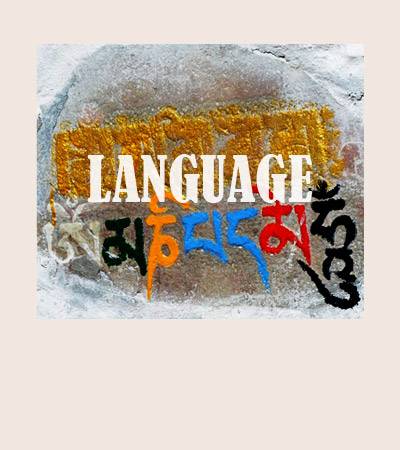
- Languages: Tibetan, Chinese.
Tibet Facts
Essential information guide of Tibetan people, location, history and culture
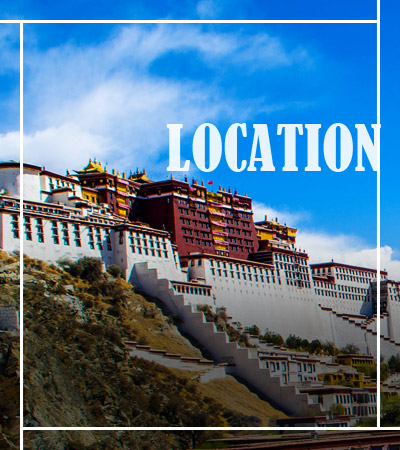
Bounded to the north by Xinjiang and Qinghai, to the east by Sichuan, to the southeast by Yunnan , to the south and west by Burma, India, Bhutan, Sikkim and Nepal.
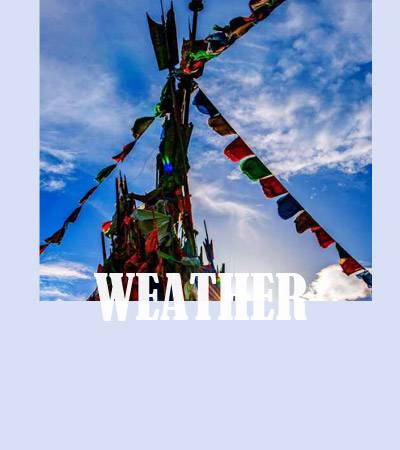
Guideline for the four season’s climate in Tibet from January to December.

A briefing of Tibetan Buddhism and it’s origin and four sects.
